About the practice

About CellXperience

CellXperience is a scientific consulting practice built around stem cell science, laboratory operations, careful evidence review, and practical advisory support, grounded in academic and applied research experience.

Scientific leadership

Stem cell, neuroscience, and biotechnology expertise

The practice is led and supported by academic and translational expertise across stem cell biology, neuroscience, molecular diagnostics, biotechnology, and evidence-focused scientific review.

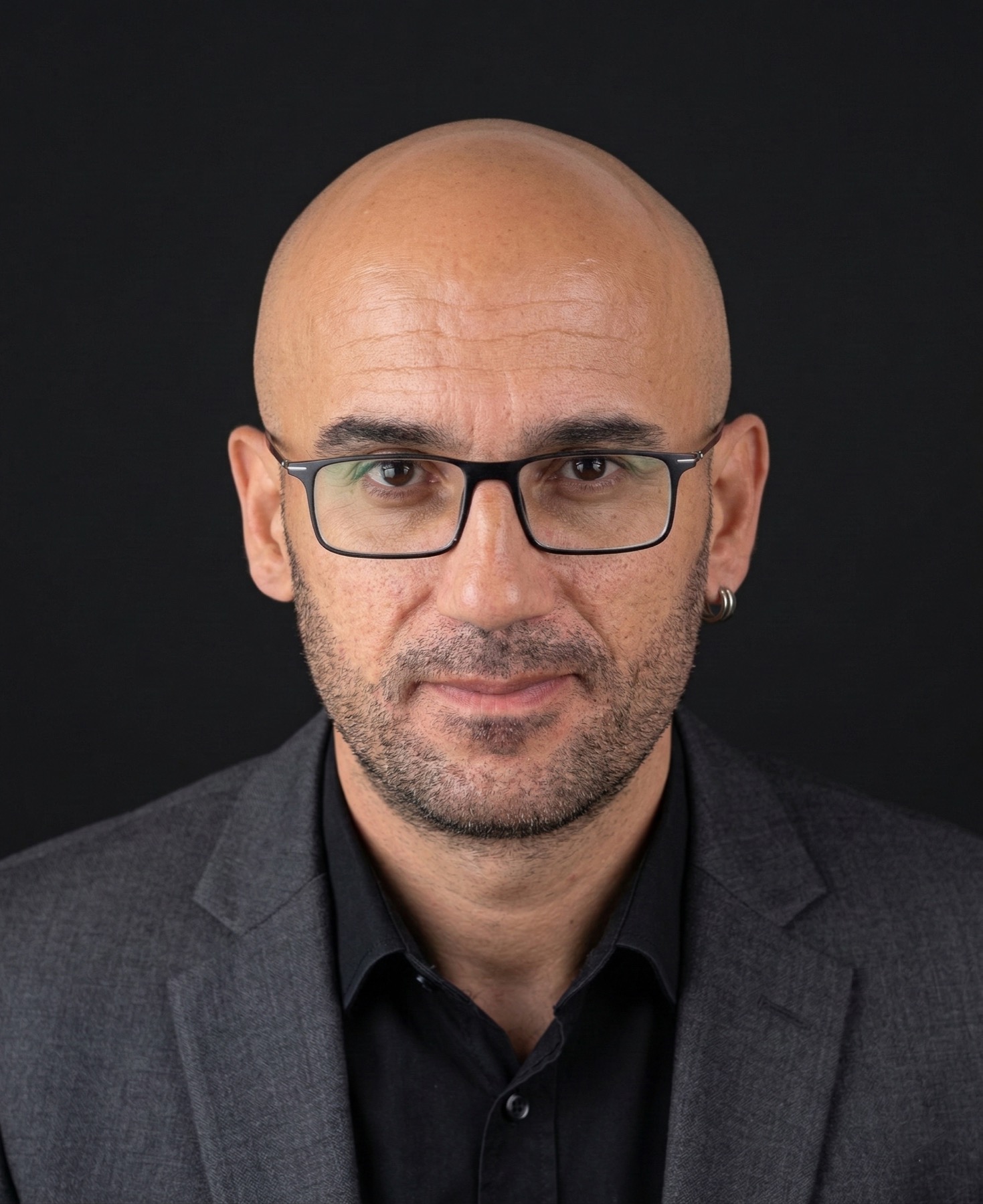
Asst. Prof. M. Oktar Guloglu, managing consultant at CellXperience
Managing Consultant

Asst. Prof. M. Oktar Guloglu

PhD in Medical Sciences, Biomedicine, and Neuroscience, Lund University

Asst. Prof. M. Oktar Guloglu is the Managing Consultant of CellXperience and a stem cell scientist with over 12 years of experience in stem cell biology, neuronal differentiation, molecular diagnostics, and translational research. He completed his PhD in Medical Sciences, Biomedicine, and Neuroscience at Lund University, Sweden, where his doctoral research focused on differentiating human embryonic stem cells into dopaminergic neurons.

His work spans embryonic stem cells, induced pluripotent stem cells, mesenchymal stem cells, neurobiology, molecular assay development, and laboratory infrastructure setup. Across academic and translational research environments in Sweden, Germany, and Turkey, he has contributed to EU-funded stem cell and molecular biology projects, developed neuronal differentiation protocols, and supported the conversion of research workflows into diagnostic and therapeutic development contexts.

He has held academic and R&D leadership roles, including Assistant Professor, Senior Scientist, and R&D Manager. His applied work includes establishing molecular biology laboratory workflows, supporting GMP/GLP-aware laboratory practices, and developing PCR-based molecular diagnostic assays related to SMA carrier screening, Alzheimer's disease risk analysis, and Parkinson's disease risk analysis. At CellXperience, he leads scientific consulting across stem cell laboratory planning, assay development, translational strategy, and evidence-focused advisory work.
Stem cell biologyESC, iPSC, and MSC researchNeuronal differentiationMolecular diagnosticsGMP/GLP-aware laboratory practicesTranslational R&D strategy
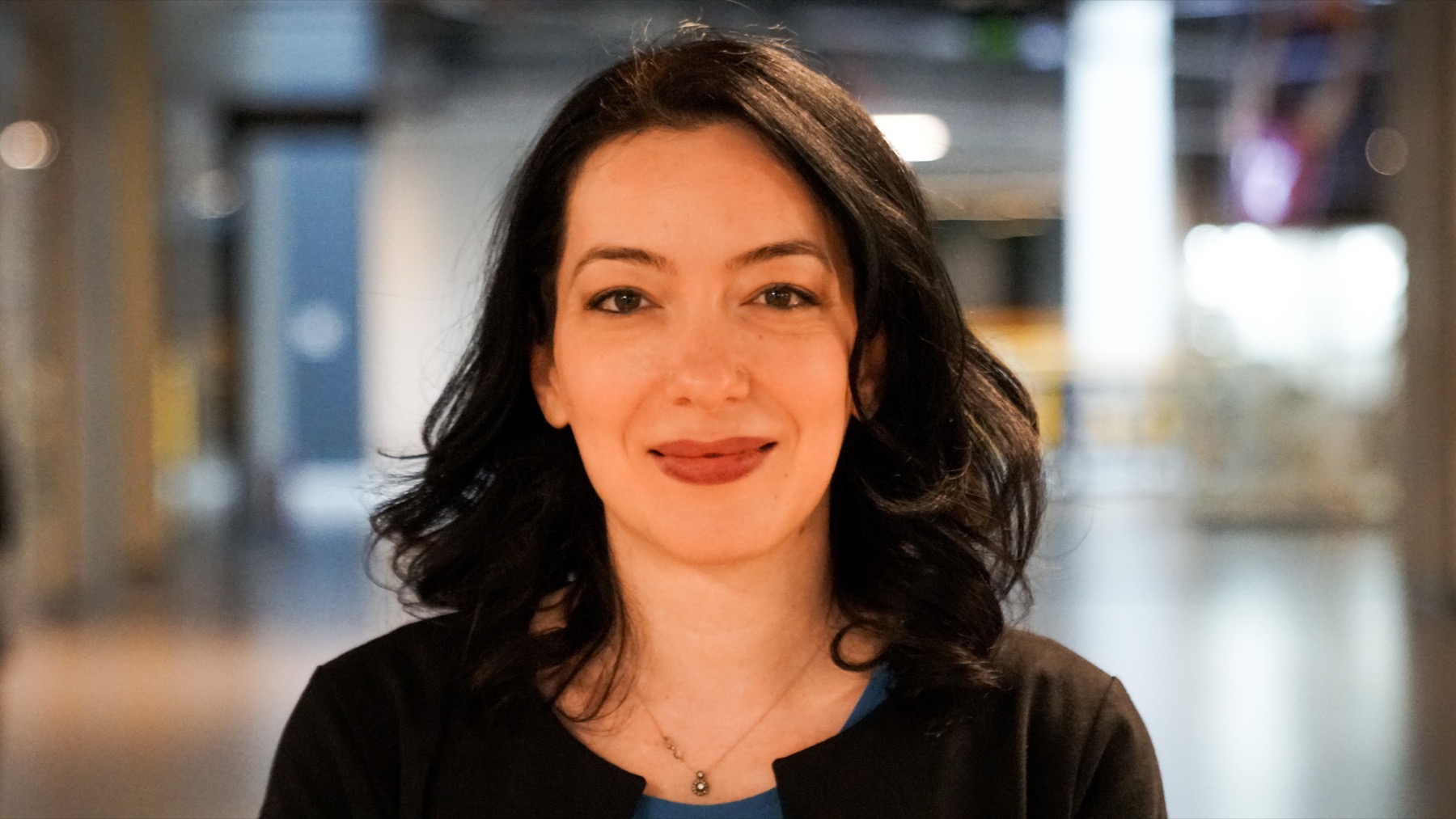
Asst. Prof. Aynur Muduroglu-Kirmizibekmez, senior scientific consultant at CellXperience
Senior Scientific Consultant

Asst. Prof. Aynur Muduroglu-Kirmizibekmez

PhD in Neuroscience, Istanbul University

Asst. Prof. Aynur Muduroglu-Kirmizibekmez is a senior scientific consultant at CellXperience and an academic neuroscientist with a PhD in Neuroscience from Istanbul University. Since 2014, she has served as a faculty member at Istanbul Nisantasi University, where she leads the Department of Genetics and Bioengineering and the Biotechnology Master's Program.

Her research spans neurodegenerative diseases, neuroprotection, the brain-gut axis, functional foods, and plant-derived bioactive compounds. She investigates anthocyanins and other bioactive compounds in relation to cognitive function and brain activity.

Her scientific work includes research on Alzheimer's disease, autism, Parkinson's disease, neurological effects of stem cell applications, and prebiotic supplementation. She also contributes to patented functional food development and public scientific awareness as a board member of the Alzheimer's Foundation.

NeuroscienceGenetics and bioengineeringNeurodegenerative disease researchBrain-gut axisStem cell application researchFunctional food biotechnology
How we work

Clear scientific review before expensive decisions

The work is designed to slow complex decisions down just enough to separate evidence, assumptions, operational constraints, and unanswered questions.

1

Start with the scientific question

We first define what needs to be decided, whether it is a laboratory setup choice, protocol assumption, clinic material, study claim, or program milestone.

2

Review the evidence and constraints

We look at the biology, methods, documentation, risk points, and practical limits around the question instead of treating it as a generic consulting brief.

3

Translate findings into next steps

The goal is usable clarity: stronger assumptions, sharper priorities, better questions, and decisions that can be shared with teams or clinicians.

4

Keep the scope honest

We avoid overstating what science can prove. When evidence is early, indirect, or incomplete, that uncertainty is made visible rather than hidden.

What we believe

Scientific consulting should reduce noise, not add it

CellXperience is built around the idea that credible advice should be careful, useful, and honest about what is known and what is still uncertain.

Good advice should make uncertainty clearer

Scientific credibility depends on boundaries as much as expertise

Evidence should be translated without being oversold

Laboratory and clinical-facing questions need different language

Clients deserve calm explanations, not promotional pressure

Practical decisions are stronger when the scientific assumptions are explicit

Scientific boundaries

Credibility also means knowing where the line is

The consulting relationship is intentionally bounded so clients receive scientific clarity without clinical overreach or unsupported certainty.

Scientific advisory, not medical care

For individuals, CellXperience helps interpret evidence and frame questions. It does not diagnose, prescribe, recommend treatment, or replace licensed clinicians.

Consulting support, not regulatory representation

For enterprise teams, CellXperience supports planning, documentation logic, and readiness discussions. Formal regulatory decisions remain with the appropriate qualified legal, regulatory, or quality authorities.

Evidence-first communication

The practice avoids outcome promises, miracle language, and certainty that the evidence cannot support.

Remote-first, context-specific work

Engagements are scoped around the client question, available materials, and decision context rather than a one-size-fits-all advisory package.

Who we help

Support for teams and individuals facing complex stem cell questions

The same scientific discipline can serve different audiences when the scope is clear and the language is appropriate to the decision being made.

Stem cell laboratories planning equipment, workflow, or documentation systems

Biotechnology and regenerative medicine teams preparing R&D or GMP-aware programs

Academic and translational groups moving from research workflows toward clearer operating structures

Individuals and families reviewing stem cell clinic materials, study references, or regenerative medicine claims

Start with context

Choose the path that matches the question in front of you

Enterprise teams can explore laboratory and program consulting, while individuals can request science-first advisory support for evidence, clinics, and study materials.